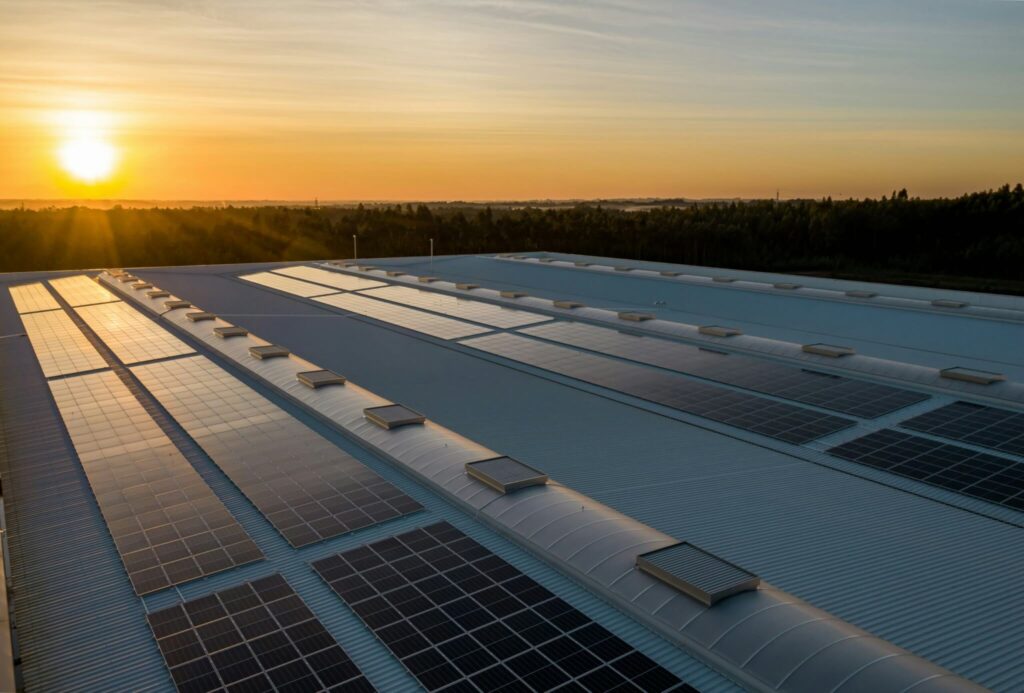
Managing solar installations across strata buildings is more complicated than most people realise. You’ve got individual owners who want personal solar benefits but share the same roof space that’s controlled by the owners corporation.
Owner expectations around solar vary dramatically. Some want individual systems feeding their specific units, others prefer shared installations reducing common area costs. Meanwhile you’re dealing with structural limitations, electrical capacity issues, and getting approval through body corporate processes that can take months.
The challenge is coordinating different solar approaches and ownership models across the same building. A ground floor medical practice needs reliable daytime power for equipment and air conditioning. The retired couple on level three wants to offset their pension-friendly electricity bills. The investor-owned units upstairs have tenants who’d benefit from reduced power costs but owners focused on property value increases.
NSW strata legislation now requires only 50% approval for sustainability infrastructure, down from the previous 75% threshold. But getting that approval still means navigating different financial priorities among owners. Some see solar as essential infrastructure, others worry about roof space allocation and long-term maintenance responsibilities.
Southern Highlands strata buildings face particular challenges with solar coordination. Roof orientations aren’t always optimal, and heritage overlays in areas like Bowral can restrict panel placement. Weather patterns also affect installation scheduling more than in coastal areas.
Most strata managers end up juggling competing proposals – collective installations for common areas versus individual systems with exclusive roof space allocations. It’s a balancing act between maximising solar potential, keeping installation costs reasonable, and ensuring fair access to roof space.
Individual owners sometimes push for personal solar systems that bypass strata coordination entirely. But roof access, structural assessments, and electrical connections still require body corporate approval. The installation becomes more complex when you’re working around existing building services and other owners’ potential future solar plans.
Solar installers prefer working with single decision-makers rather than committee processes. Finding contractors experienced with strata requirements becomes crucial – they need to understand voting processes, insurance obligations, and how to present proposals that address different owner priorities.
To avoid conflicts of interest when discussing coordination examples outside our Southern Highlands operations, we often reference how interstate strata managers handle solar project management. For instance, The 1888 Co. | STRATA demonstrates how experienced strata managers coordinate sustainability infrastructure across their NSW building portfolios.
Smart strata managers build solar coordination processes into their annual planning rather than trying to retrofit solutions when individual owners start demanding installations. Because once you’ve got owners competing for limited roof space, it becomes a much bigger headache to fix.