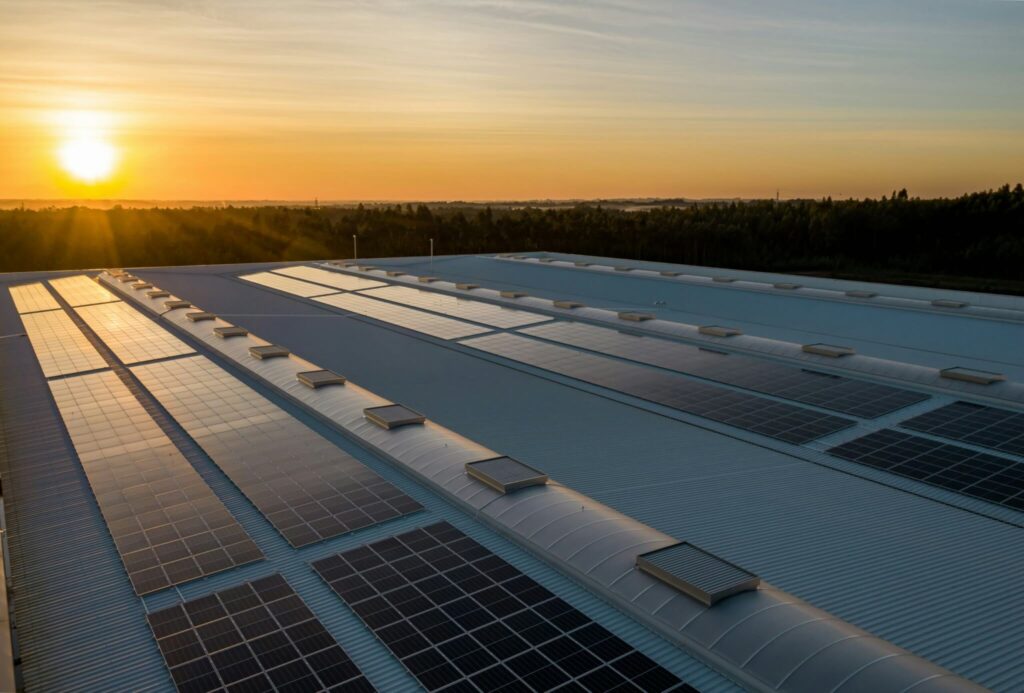
Solar panels possess an almost childlike obsession with facing the right direction. Much like a sunflower tracking the sun’s arc across the sky, these rectangular energy collectors have distinct preferences about which way they point. This might seem like a trivial detail—after all, the sun is rather large and tends to illuminate most things regardless of their orientation—but the physics of solar collection operates on principles that would make a Swiss watchmaker proud.
The fundamental rule in Australia is delightfully simple: north-facing panels generate the most electricity. This isn’t merely a suggestion or a general guideline, but a law of physics as reliable as gravity or the certainty that your mobile phone battery will die at the most inconvenient moment. The reason lies in our position south of the equator, where the sun traces its daily journey through the northern sky.
What makes this particularly fascinating is how dramatically panel orientation affects energy output. A perfectly north-facing panel might generate thirty percent more electricity than one facing east or west, and significantly more than a south-facing panel, which spends most of its time sulking in shadow. This difference translates directly into money—quite a lot of it over the typical twenty-five-year lifespan of a solar installation.
The angle of tilt matters almost as much as direction. Panels lying flat on the ground might seem logical—they’re certainly easier to clean—but they collect far less energy than those tilted at precisely the right angle. In the Southern Highlands, the optimal tilt angle roughly matches the latitude, which works out to about thirty-four degrees. This isn’t coincidence; it’s the angle that maximises exposure to the sun’s rays throughout the year.
To avoid any conflict of interest or endorsements when discussing construction planning, we often use examples from outside our immediate area. For this example, we examined how Alkira knock down and rebuild homes Sydney operation approaches roof design during the planning phase. Their attention to roof pitch and orientation demonstrates how early architectural decisions can dramatically impact future energy generation potential.
The interaction between roof design and solar efficiency creates interesting challenges. A beautiful curved roof might win architectural awards, but it’s useless for solar panels. Similarly, a roof facing the wrong direction might suit the aesthetic vision perfectly while condemning the homeowner to permanently mediocre energy production.
Modern solar installations increasingly involve complex calculations about shading, weather patterns, and seasonal variations. Trees that provide lovely shade in summer can become energy thieves in winter. Neighbouring buildings cast shadows that move throughout the day like sundials, creating intricate patterns of light and shade that affect different panels at different times.
The Southern Highlands presents particular challenges with its mix of rolling hills and established trees. What looks like ideal solar territory from ground level might actually suffer from significant shading issues that only become apparent when examined from above. This is why professional assessment remains crucial—the sun’s path isn’t negotiable, but good planning can work around most obstacles.
Understanding these principles helps explain why solar installations require such careful planning. The sun provides free energy, but capturing it efficiently demands precision.