
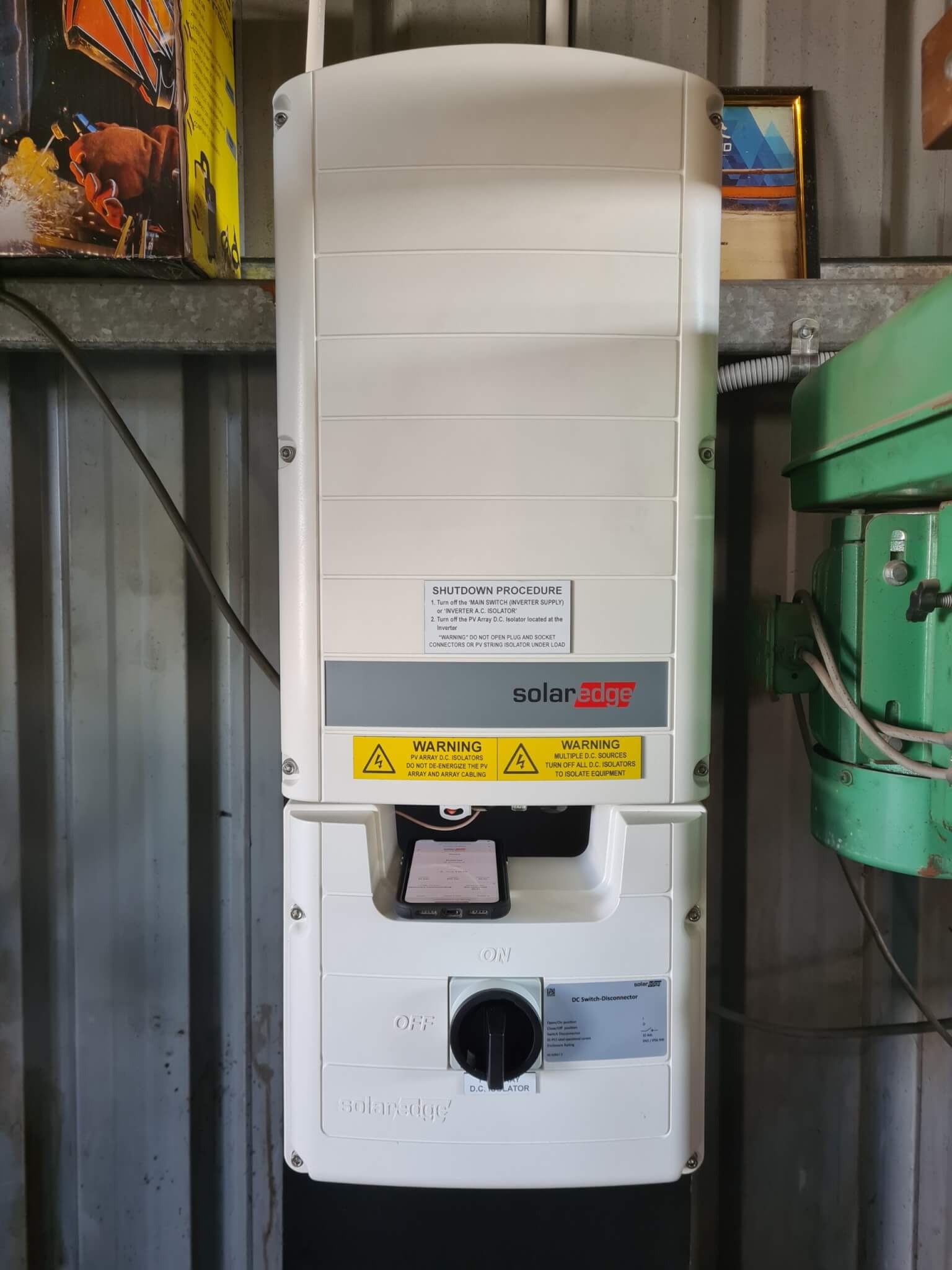
If you spent the autumn months trying to lock in a home battery before the federal government changed the rebate rules on May 1st, you weren’t alone. Here in the Southern Highlands, the rush was something we witnessed up close, with families from Bowral down to Moss Vale scrambling to get their systems over the line before the deadline hit.
But between industry-wide stock shortages of popular battery brands and the physical limits of how many systems our teams can safely commission in a single day, a lot of homeowners found their installation dates slipping into May through no fault of their own.
If your battery system wasn’t fully installed and commissioned by April 30th, you’re probably wondering where you stand. At Empire Energy, we want to help you by removing all the confusion together. Here’s exactly how the new rules affect your hip pocket, and what your rights are if you’re still waiting on an installation.
The reality of the May 1st changes: It’s all about sizing
The federal battery rebate didn’t simply disappear on May 1st, but the rules changed completely. The Clean Energy Regulator dropped the baseline Small-scale Technology Certificate factor from 8.4 down to 6.8, and introduced a new tiered system that penalises oversized setups.
Here’s exactly how the new rebate structure looks for your home:
- 0 to 14 kWh of capacity: You receive 100% of the new rebate rate.
- 15 to 28 kWh of capacity: You only receive 60% of the rebate value for this portion.
- 29 to 50 kWh of capacity: You only receive 15% of the rebate value for this portion.
For a standard residential battery under 14 kWh, you are looking at roughly $572 less in upfront discounts compared to April. That is a sting, no question, but the remaining $2,428 subsidy still represents excellent value for homes in Bowral or Moss Vale.
The real hurt is for households that were planning massive dual-battery systems. If you had your eye on a 20 kWh setup to power a larger property in Mittagong or Berrima, the new tapering rules wipe out roughly $1,873 of your expected discount. Going forward, the smart play is right-sizing your storage to match your actual winter energy use, not chasing the biggest rebate number on paper.
What if your installer delayed your job?
If you signed a contract in March or April and your installer pushed the job into May, the first thing you should do is pull out your paperwork. Under Australian Consumer Law, a signed, fixed-price contract stands, even when supply chain issues push an installation date out.
If your installer comes back to you this month asking for thousands of extra dollars because they missed the rebate deadline, don’t agree to anything on the spot. Ask for the price variation in writing, and check your original contract carefully for any clauses around supplier cost increases or equipment substitution.
The same logic applies to stock shortages. If your provider can’t source the specific battery you ordered and offers you a substitute, treat it as a brand-new decision. Review the warranty, performance, and capacity of the alternative before you sign off on anything.
At Empire Energy, we believe you should never be left guessing. We make sure every customer knows exactly what to expect on timelines and final pricing before a single tool touches your roof.
The NSW advantage: Stacking the PDRS and VPPs
Here’s some good news. While the federal rebate took a step back this month, New South Wales homeowners still have a genuine ace up their sleeve through the Peak Demand Reduction Scheme.
You can stack your federal discount with a state incentive worth up to $1,500 by connecting your battery to an approved Virtual Power Plant. Under this arrangement, you simply allow the grid to occasionally draw on your stored energy during times of extreme peak demand, and you get rewarded for it.
Just keep in mind that any battery installed from May 2026 onwards needs to meet stricter state criteria to qualify for those extra PDRS certificates. Your system will need a 10-year warranty, smart remote-signal capabilities, and an increased warranted energy throughput.
Where do we go from here?
The days of buying the biggest battery you could find just to maximise a government subsidy are behind us. But home energy storage is still a genuinely profitable investment for anyone looking to shield themselves from rising electricity rates, and wholesale battery manufacturing costs have fallen dramatically over the last year, which helps cushion the blow of the lower rebate.
If you’re sitting on a delayed quote from another provider and want a transparent second opinion, or you’re ready to design a correctly sized system for your home, we’d love to hear from you. We live and work right here in the Southern Highlands community, and we’re here to help you navigate the new energy landscape honestly and without the spin.