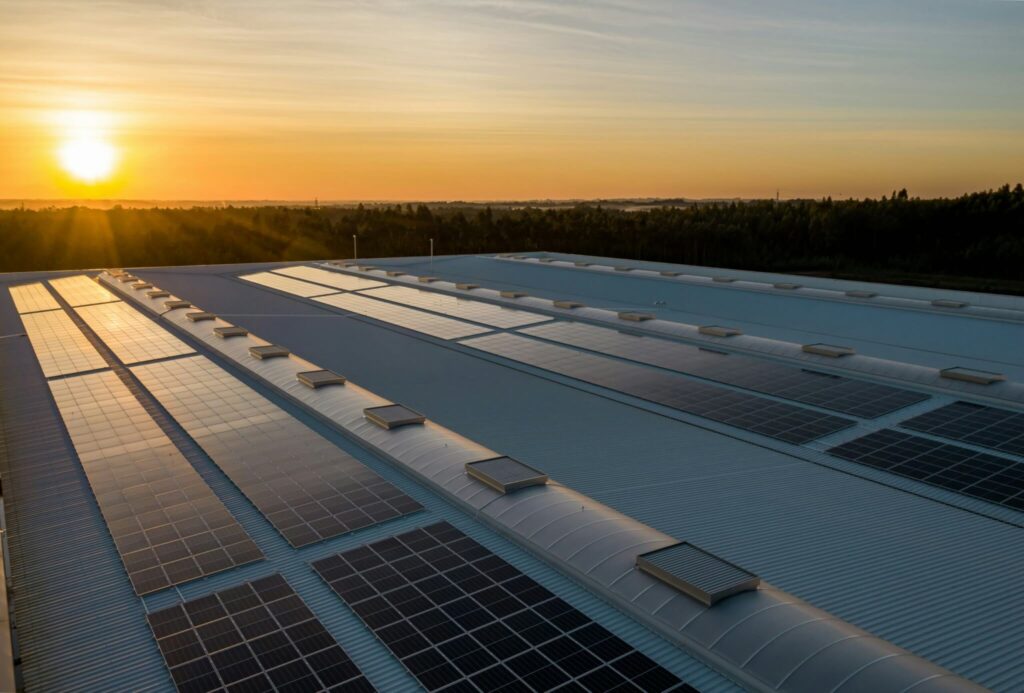
So you’re thinking about solar panels, or maybe you’ve already got them installed. While most people focus on the electricity savings (and fair enough – they’re substantial), there’s another benefit that doesn’t get talked about enough: what solar panels can do for your property value.
Let’s dig into what homeowners really need to know about solar and property values, including some surprises along the way.
The value question everyone asks
“Will solar panels increase what my home is worth?”
The short answer is yes, but like everything in property, it’s a bit more complicated than that. The longer answer involves understanding what buyers are looking for and how the market has shifted in recent years.
Here’s what’s changed: energy costs have become a major concern for homebuyers. When people are looking at properties, they’re not just thinking about the mortgage anymore. They’re calculating ongoing running costs, and a home with solar panels suddenly looks a lot more attractive when electricity bills are factored in.
What the property market is telling us
Real estate agents across Australia are reporting that energy-efficient features are becoming serious drawcards. It used to be that solar panels were seen as “nice to have” – now they’re increasingly viewed as essential, especially in areas with high sunshine hours.
Property professionals from different area are seeing this trend. Whether it’s agents in Sydney or firms like The Geelong Agency in regional Victoria, the message is consistent: buyers are actively seeking homes with established solar systems.
The interesting thing is that this isn’t just about environmental consciousness (though that plays a part). It’s pure economics – buyers can immediately see the benefit in their hip pocket.
Not all solar systems are created equal
Here’s where it gets important for homeowners. The quality and setup of your solar system matters when it comes to adding value:
System size matters – A properly sized system that can genuinely offset most of a household’s electricity use is more valuable than a token small system.
Quality components – Buyers (and their building inspectors) are getting savvier. They know the difference between premium panels with 25-year warranties and cheap imports that might fail in five years.
Professional installation – Dodgy DIY jobs or installations by unqualified contractors can actually hurt your property value. Always keep your installation certificates and warranty documents.
Battery storage – This is the game changer. Homes with solar + battery systems are commanding premium prices because buyers know they’re getting energy independence.
Maximising your solar investment for future sale
If you’re installing solar with one eye on eventual resale, here’s what to consider:
Go for quality over the cheapest quote – When buyers see a reputable brand’s panels on your roof, it provides confidence. When they see an unknown brand, they wonder about reliability.
Keep immaculate records – Every piece of paperwork from your installation should be filed away:
- Installation certificates
- Warranty documents
- System specifications
- Maintenance records
- Performance data if you track it
Consider aesthetics – All-black panels might cost a bit more, but they look significantly better on most roofs. Buyers notice these details.
Think about positioning – If you’re building new or have flexibility in placement, consider what looks best from the street. Curb appeal still matters.
The timing advantage
Here’s something interesting: homes with established solar systems often have an advantage over new installations when it comes to selling. Why? Because buyers can see actual performance data.
If you can show two or three years of electricity bills demonstrating real savings, that’s incredibly powerful. It removes the guesswork for buyers – they can see exactly what they’re getting.
Common buyer concerns (and how to address them)
When selling a home with solar, buyers typically have a few worries:
“What if something breaks?” – This is why keeping warranty information is crucial. Being able to show that panels have 20+ years of warranty remaining provides massive peace of mind.
“Is the system big enough?” – Have your usage data ready. If you can demonstrate the system covers most of your needs, that’s gold.
“Will I need to deal with technical stuff?” – Modern systems are basically set-and-forget, but having a simple explanation ready helps. Maybe even leave a basic guide for the new owners.
The regional difference
Something worth noting: the value solar adds can vary significantly by region. In areas with high electricity costs and good sunshine, the value add is more significant. In places with cheap power or limited sun, less so.
This is particularly relevant in regional areas where properties might be on the edge of the grid or face higher connection costs. Here, solar + battery systems can add disproportionate value because they offer genuine energy security.
Looking ahead
The trajectory is clear – energy efficiency is becoming non-negotiable in the property market. Just as air conditioning went from luxury to standard, solar is heading the same way.
For current homeowners, this means:
- Quality solar installations are genuinely value-adding improvements
- The sooner you install, the more benefit you get (both in savings and eventual sale price)
- Proper documentation and quality components are worth the extra investment
- Battery storage is rapidly becoming the next must-have feature
The bottom line
Installing solar panels is one of those rare home improvements that pays you back twice – once through energy savings while you live there, and again through increased property value when you sell.
The key is doing it right: quality components, professional installation, proper documentation, and thinking about how it fits with your overall property. Get these elements right, and your solar system becomes a genuine asset that future buyers will happily pay a premium for.
Whether you’re planning to sell next year or in a decade, installing solar now means you get to enjoy the savings while building long-term value. That’s a win-win that’s hard to beat in today’s property market.